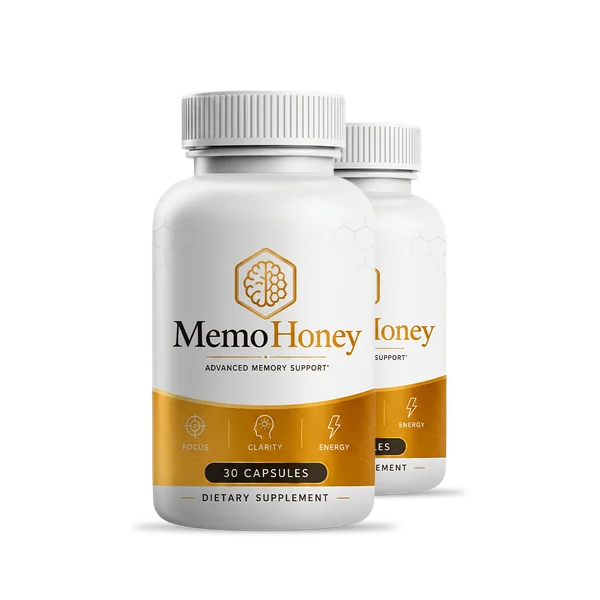
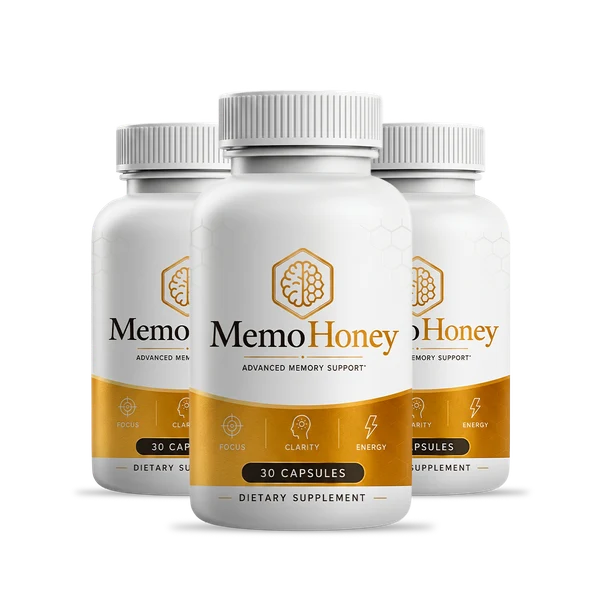
MemoHoney Capsules is not a nootropic in the classical sense — no Bacopa, no Phosphatidylserine, no Ginkgo. It is a nitric oxide booster: L-Arginine, L-Citrulline, Niacin and Beta-Alanine. The same molecular tool used by gym pre-workout formulas, applied to brain circulation. Some of that mechanism works. Some of the marketing runs ahead of the evidence. And the interaction profile — because nitric oxide is what heart medications also act on — deserves more attention than it usually gets on a review page.
Every ingredient in MemoHoney feeds into a single biochemical pathway. Understanding it in five steps is enough to know what the formula could plausibly do — and why the interaction warnings on this page are not boilerplate.
L-Arginine and L-Citrulline come in multiple forms with different bioavailability characteristics. The ladder below shows what each one is doing in the blend, and which does the most practical work.
This section belongs on the homepage of a review site that earns commission from MemoHoney sales, which should tell you how important we consider it. Everything MemoHoney is designed to do runs through nitric oxide — the same signalling pathway used by nitrate heart medications and by drugs like Viagra and Cialis. That is not a coincidence: it is the mechanism.
Most supplement interaction warnings are theoretical. This one is not. The nitrate/nitric-oxide interaction is the reason the FDA-approved erectile dysfunction drugs (sildenafil, tadalafil, vardenafil) carry an absolute contraindication with nitrates — the combination has caused deaths. MemoHoney works on the same nitric oxide pathway, just from the upstream side. The pharmacology does not change because the marketing is different.
For most supplement categories this phrase is a defensive formality. For MemoHoney it is genuinely operational. Take the ingredient list — copy the six names from the label or from our ingredients page — and email it to your doctor or GP, or ask a community pharmacist. Both checks take a few minutes and cost nothing.
Further reading: our full drug interaction disclosure
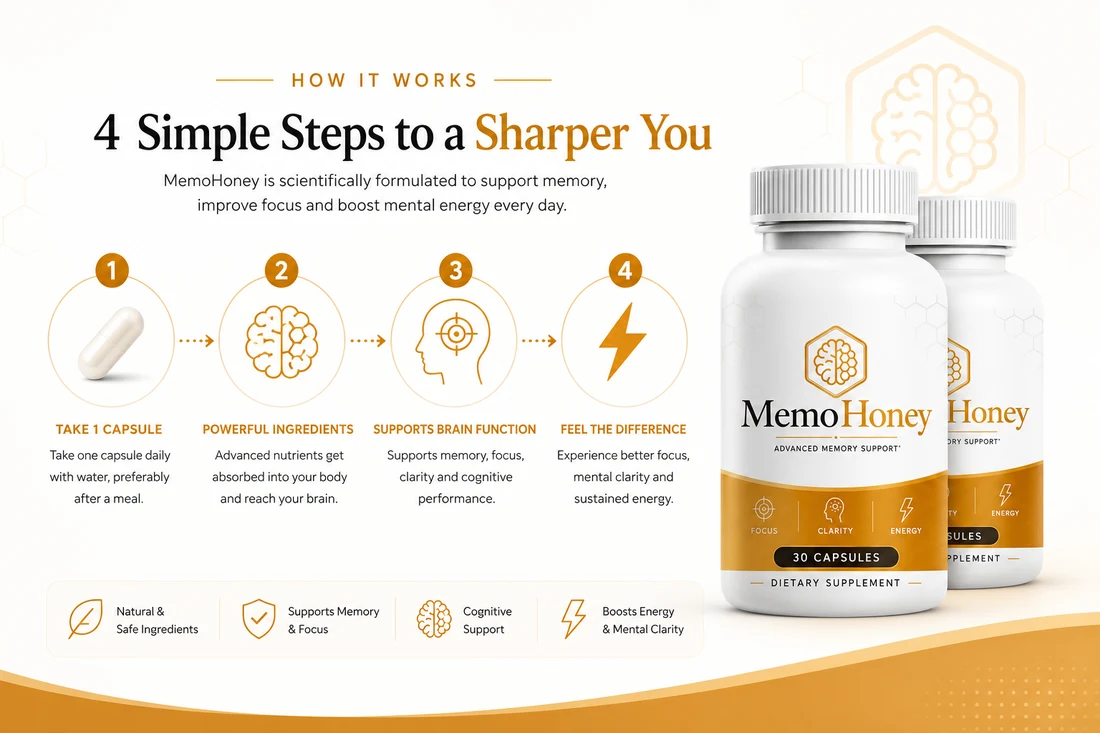
MemoHoney Capsules is a once-daily dietary supplement, sold as a brain circulation support product. Each bottle contains 30 capsules — a 30-day supply — with a label direction of one capsule daily, preferably after a meal.
The formula combines four amino acid forms (two of L-Arginine, two of L-Citrulline) with Niacin (Vitamin B3) and Beta-Alanine, in a vegetable capsule. Every active is chosen for its role in the nitric oxide pathway or in related energy-metabolism support. There are no botanical extracts — no Ginkgo, no Bacopa, no Panax Ginseng.
The manufacturer positions it as a brain circulation supplement rather than a memory supplement, and that is a meaningful distinction: see our detailed breakdown of what MemoHoney Capsules is.
The mechanisms below are documented in the biochemistry literature at studied doses. Whether MemoHoney at capsule-level amounts engages any of them meaningfully is a separate question, addressed on the ingredient page.
L-Citrulline and L-Arginine feed the endothelial nitric oxide synthase (eNOS) pathway. Nitric oxide relaxes vascular smooth muscle and improves microcirculation. Cerebral blood flow declines with age; supporting this pathway is the most direct and evidence-based thing this formula does.
Niacin is a precursor to NAD⁺ and NADH, the coenzymes central to mitochondrial ATP production. Neurons are extraordinarily energy-hungry; supporting NAD⁺ availability supports the energetic side of neural function. Well-established biochemistry.
Beta-Alanine raises muscle carnosine, which buffers acidity during sustained activity. The evidence base is largely from exercise physiology. Extrapolating to brain endurance or mental stamina is a longer inferential jump.
Niacin also causes vasodilation through a prostaglandin-mediated mechanism (separate from the nitric oxide pathway). This is what produces the characteristic Niacin flushing effect. Genuine vasodilator, though the flush is what most users notice.
Grouped by the practical work each ingredient does in the formula — rather than listed alphabetically. The two L-Citrulline forms carry most of the nitric oxide load.
The most bioavailable form of L-Citrulline. Converts to L-Arginine in the kidneys, then to nitric oxide via eNOS. The malate portion supports mitochondrial energy metabolism. In exercise-physiology research at gram-level doses, it reliably raises plasma L-Arginine and nitric oxide markers. Research dose typically 6–8 g daily.
Full detail →A hydrochloride salt of L-Citrulline — highly water-soluble, well absorbed. Complements L-Citrulline Malate at the same nitric oxide pathway; the two forms together are the meaningful contributors to circulation effect.
Full detail →The direct nitric oxide precursor, but with meaningful oral bioavailability limitations — much is metabolised by liver arginase before reaching circulation. This is why modern amino acid research increasingly uses L-Citrulline as a delivery vehicle instead. Included here for label recognisability more than mechanism.
Full detail →L-Arginine bound with alpha-ketoglutarate (AKG). Marketing suggests better absorption than free L-Arginine; head-to-head evidence is limited. AKG itself has independent relevance in the Krebs cycle (cellular energy metabolism), which provides a defensible rationale even if absorption claims are unproven.
Full detail →A precursor to NAD⁺, essential for mitochondrial energy production. Also a vasodilator through prostaglandin release — this is what causes the well-known "niacin flush" (skin warmth, redness, tingling starting 15–30 minutes after dosing). Harmless but sometimes uncomfortable; usually fades with continued use. Real vitamin.
Full detail →Raises muscle carnosine over 4–6 weeks, well-established for improving buffering capacity in high-intensity exercise. The characteristic side effect is paresthesia — a tingling, sometimes itchy sensation, most often on the face, neck or hands. Also harmless. Cognitive-specific evidence is thin — its inclusion here is largely a stack-completing choice from the pre-workout template.
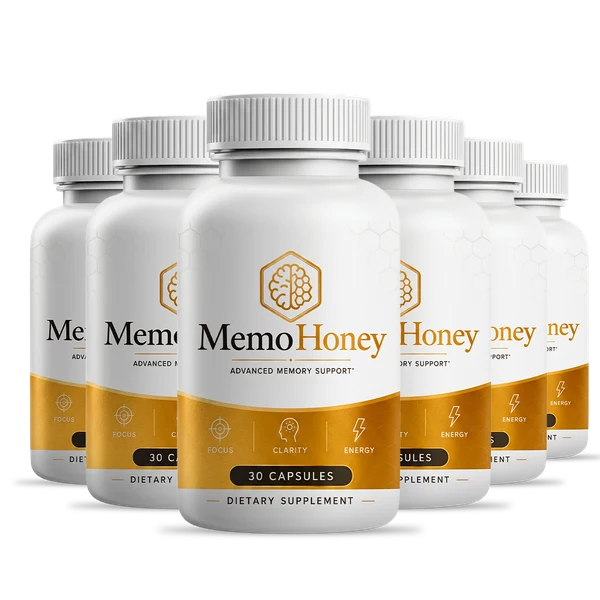
Full detail →Three package tiers on the official checkout, all covered by the 60-day money-back guarantee. Prices shown were current at time of writing — confirm at checkout.
Highest per-bottle cost and the only tier with a shipping charge. Covers most of the ingredient timeline in this formula.
Order 2 Bottles
Lowest per-bottle price, but 180 days is well beyond the 60-day guarantee window — the risk sits with you after day 60.
Order 6 Bottles
Free shipping. 90 days matches the timeline over which amino acid supplements have been studied in circulation research.
Order 3 Bottles
Rather than publish named testimonials we cannot verify, we have grouped the themes that recur across nitric-oxide-based supplements — including the critical ones.
The Niacin flush. Warmth, mild skin redness, sometimes tingling, starting 15–30 minutes after taking the capsule and fading within an hour. Harmless. Some users find it reassuring — "I know it is working" — and some find it uncomfortable. Usually diminishes over weeks.
Common by weeks 4–8. Consistent with the combination of improved circulation, cellular energy support and mild vasodilation. Modest rather than dramatic. Note that any of these effects is easier to notice against a baseline of chronic fatigue or dehydration.
Cellular energy metabolism support (Niacin's NAD⁺ contribution) is the plausible mechanism. Users who notice this typically report it within the first 2–3 weeks, before any nitric oxide-mediated effect would have built.
Beta-Alanine paresthesia. Not dangerous but can be intense and uncomfortable, particularly at the start. Splitting the dose or taking with food can help; for some it fades with continued use, for others it persists.
Common in this category. Circulation-support supplements rarely produce dramatic cognitive effects in adults who are not experiencing circulatory disease. If your baseline is normal, the delta is often subtle.
The informed complaint. Amino acid research doses are in grams; capsule content is in hundreds of milligrams. Without milligram disclosure, buyers cannot tell whether the formula delivers research-comparable amounts of the key ingredients or token quantities.
The list opposite reflects how MemoHoney is advertised. We have graded each against what the biochemistry and clinical research on the specific ingredients actually supports.
Note the framing: MemoHoney's language ("supports healthy circulation", "supports nitric oxide production") is more restrained than most supplements in the cognitive category. That is not accidental — the claims cannot legally go further than the biochemistry does, and here the biochemistry is well-defined.
Reasonably supported. The nitric oxide pathway is real biochemistry. Whether MemoHoney's capsule doses raise brain nitric oxide meaningfully is not documented.
Reasonably supported at studied doses. L-Citrulline reliably raises plasma nitric oxide markers in research. Research doses are 6–8 g; capsule content is much less.
Supported by Niacin's biochemistry. NAD⁺ is central to mitochondrial ATP production. This is one of the more defensible claims because it is grounded in essential vitamin function.
Fair. One capsule daily is genuinely low-friction. Beats the many multi-capsule protocols in this space.
Partly true. The manufacturer does note the nitrate and PDE5 interaction — which many competitors do not. But dose disclosure remains absent, and the "FDA Approved" language on manufacturer marketing cannot legally apply to a supplement.
Standard for the category. FDA-registered facility + GMP is baseline for US supplement production. Says nothing about efficacy but does address contamination and batch consistency concerns.
Empty bottles accepted.
Sixty days is standard for this category and reasonable for the timeline over which nitric oxide precursors have been studied. Cardiovascular endpoints in amino acid research typically emerge over 4 to 12 weeks — most of that window falls within the guarantee.
Practical note on the 6-bottle package: at $294 up front, you will be well past the guarantee window before you have used more than a third of the product. The lower per-bottle price is real, but the risk sits with you after day 60. See our refund policy page.
These claims describe how the product is made. They matter for consistency and contamination control — and say nothing about whether the formula works.
Produced domestically rather than imported as finished goods.
Registered with the FDA — not the same as the product being FDA-approved. No supplement is.
Covers batch consistency, cleanliness, record keeping.
Amino acids and vitamins stated free from GMOs.
Direct answers to what people actually search before buying.
Primary sources used in assessing the ingredients and safety profile on this page. Individual ingredient sources also appear on the ingredient page.
Package options and the 60-day guarantee are shown on the official checkout page. Before ordering, if you take any cardiovascular medication or have a heart condition, please read our nitrate safety section above.
Check Current PricePaid link — we earn a commission at no additional cost to you